How to Choose the Right Fire Alarm System for Your Property
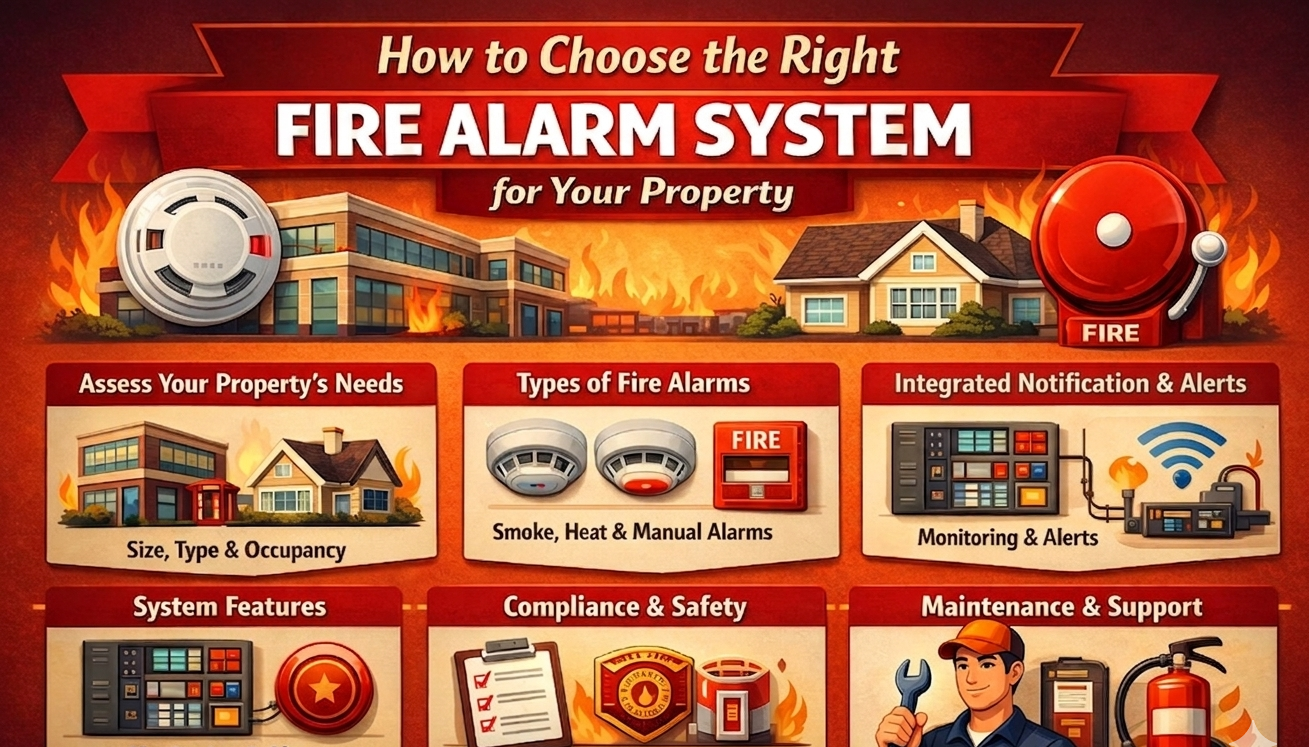
Fire safety is one of the most critical aspects of protecting any property, whether residential, commercial, or industrial. A reliable fire alarm system not only alerts occupants during emergencies but also helps minimize damage and save lives. However, with so many options available in the market, selecting the right fire alarm system can be overwhelming. Understanding your specific needs and the features of different systems will help you make the best decision.
Assess Your Property Requirements
The first step in choosing the right fire alarm system is evaluating your property in detail. Every building has unique characteristics, and the fire risks vary accordingly. A small house may require only basic smoke detectors while a large office building or warehouse may need a more advanced and integrated system.
p>Consider factors such as:Total area and number of floors- Type of occupancy (residential, commercial, industrial)
- Fire risk zones like kitchens, electrical rooms, or storage areas
- Number of people using the space
By understanding these elements, you can determine the level of protection required and choose a system that covers all potential risk areas effectively.
Understand Different Types of Fire Alarm Systems
Fire alarm systems come in various types, each designed for specific applications. Knowing the differences will help you choose the most suitable option:
- Conventional Fire Alarm Systems These systems divide a building into zones. When a fire is detected, the system indicates the affected zone but not the exact location. They are cost-effective and suitable for small to medium-sized properties.
- Addressable Fire Alarm Systems These systems provide precise information about the exact location of the fire. Each device has a unique address, making it easier to identify and respond quickly. They are ideal for large buildings, offices, malls, and industrial spaces.
- Wireless Fire Alarm Systems Wireless systems are easy to install and are perfect for buildings where wiring is difficult or not feasible. They are flexible and can be expanded easily.
- Hybrid Systems A combination of wired and wireless technology, hybrid systems offer flexibility and are suitable for properties undergoing upgrades or expansions.
Choosing the right type depends on your building size, complexity, and budget.
Choose the Right Detection Technology
Detection technology plays a vital role in the effectiveness of a fire alarm system. Different types of detectors are designed for different environments:
- Smoke Detectors These are the most common and are ideal for early detection in homes, offices, and commercial spaces.
- Heat Detectors These respond to temperature changes and are suitable for areas like kitchens, garages, and factories where smoke detectors may cause false alarms.
- Sensor Detectors These combine smoke and heat detection, offering higher accuracy and reducing false alarms.
Selecting the right combination of detectors ensures faster response and better protection.
Consider System Integration
Modern fire alarm systems are no longer standalone units. They can be integrated with other building safety and security systems such as:
- CCTV surveillance
- Access control systems
- Fire sprinklers
- Emergency lighting and evacuation systems
Integration allows automated responses during emergencies. For example, when a fire is detected, alarms can sound, emergency exits can unlock, and sprinkler systems can activate simultaneously. This enhances safety and ensures a quick and coordinated response.
Ensure Compliance with Safety Standards
Compliance with fire safety regulations is essential, especially for commercial and industrial properties. Fire alarm systems must meet local and national safety standards to ensure reliability and legal approval.In India, fire safety regulations are governed by building codes and fire authorities. Installing a compliant system not only ensures safety but also avoids legal complications during inspections or emergencies.
Focus on Installation and Maintenance
Proper installation is crucial for the effectiveness of any fire alarm system. Even the best system will fail if it is not installed correctly. Always choose experienced professionals for installation to ensure proper placement of detectors and control panels.Maintenance is equally important. Regular inspections, testing, and servicing help ensure that the system functions properly at all times. Look for systems that are easy to maintain and come with reliable support services.
Evaluate Scalability and Future Expansion
As your property grows or changes, your fire safety needs may also evolve. Choosing a scalable fire alarm system allows you to add more devices and expand coverage without replacing the entire system.This is especially important for businesses that plan to expand operations or renovate their premises in the future. A flexible system saves time and cost in the long run.
Balance Cost with Quality
While budget is an important consideration, it should never compromise safety. Low-cost systems may lack essential features, reliability, or durability. Instead of focusing only on the initial cost, consider the long-term value of the system.A high-quality fire alarm system may require a higher upfront investment but will provide better performance, fewer false alarms, and longer lifespan. This ultimately saves money and ensures peace of mind.
Choose a Reliable Service Provider
Selecting the right service provider is just as important as choosing the system itself. A trusted provider will guide you through the entire process from assessment and system design to installation and maintenance.
Look for a company that offers:
- Professional consultation
- Customized solutions
- Certified products
- Strong after-sales support
A reliable partner ensures that your fire safety system remains effective for years to come.
Importance of Timely UpgradesTechnology in fire safety is constantly evolving. Older systems may not provide the same level of efficiency and accuracy as modern solutions. If your existing fire alarm system is outdated, upgrading to a newer system can significantly improve safety.Modern systems offer features like remote monitoring, mobile alerts, and smart integration, making them more efficient and user-friendly.
Conclusion
Choosing the right fire alarm system for your property is not just about meeting regulations, it is about protecting lives, assets, and your peace of mind. By carefully assessing your property, understanding system types, selecting the right detection technology, and ensuring proper installation and maintenance, you can create a strong safety foundation.A well-designed fire alarm system acts as your first line of defense against unexpected emergencies. It provides early warnings, reduces risks, and helps ensure a quick response when it matters most.
If you are looking for a complete and reliable fire safety solution, D’PARK CORPORATION is your trusted partner. With expertise in advanced fire alarm systems, professional installation, and dependable maintenance services, D’Park Corporation delivers safety solutions tailored to your needs across India. When it comes to protecting what matters most, choosing the right partner makes all the difference.