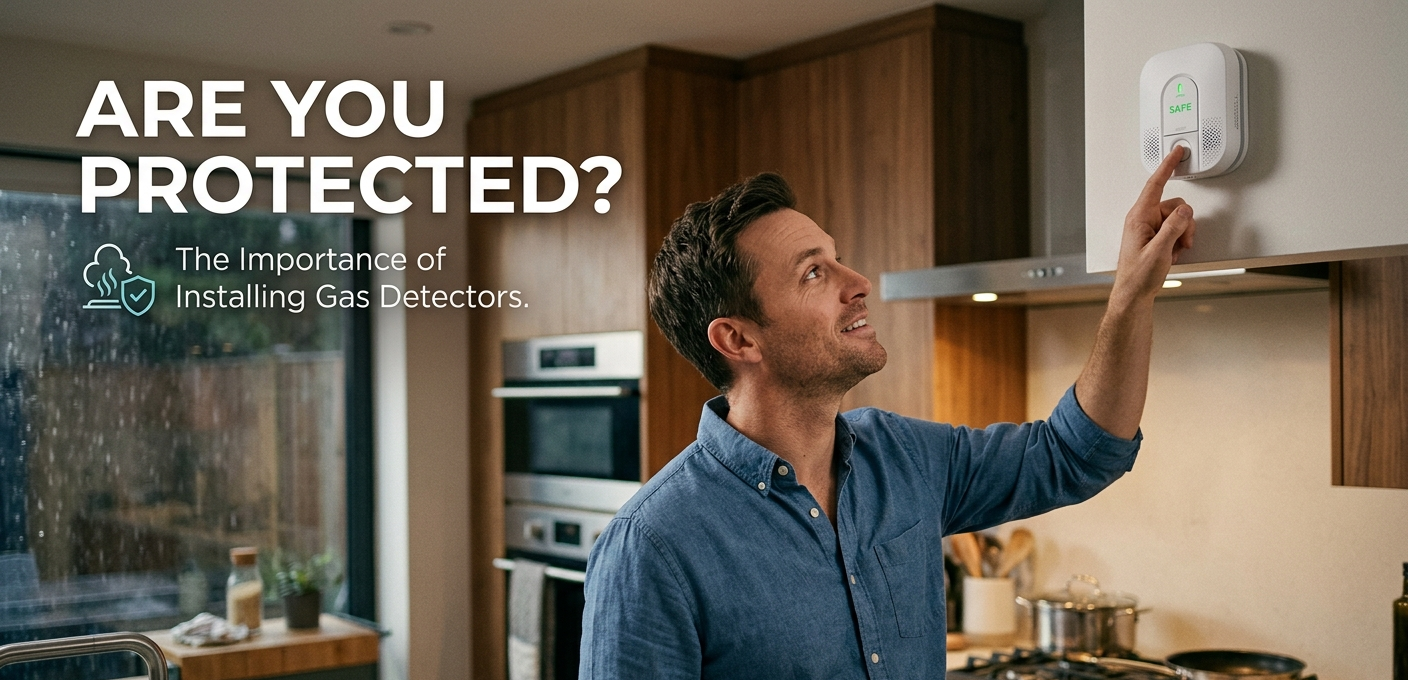
Are You Protected? The Importance of Installing Gas Detectors
1. Introduction:
Gas leaks are one of the most dangerous yet overlooked safety threats in homes, industries, and commercial spaces. Unlike fire or smoke, many gases are invisible and odorless, making them extremely difficult to detect without proper equipment. A small leak can quickly turn into a life-threatening situation, causing health hazards, explosions, or even fatalities.
This is where gas detectors become essential. They act as your first line of defense, alerting you before the situation escalates. In today’s world, where safety should never be compromised, installing a gas detection system is not just an option—it’s a necessity.
2. What Are Gas Detectors and How Do They Work?
Gas detectors are specialized devices designed to identify the presence of harmful gases in the environment. They continuously monitor air quality and trigger an alarm when gas levels exceed safe limits.
These devices use advanced sensors to detect different types of gases such as carbon monoxide, methane, LPG, and toxic industrial gases. Once detected, they provide immediate alerts through sound alarms, visual signals, or integration with safety systems
.Whether portable or fixed, gas detectors ensure real-time monitoring, helping you act quickly and prevent disasters.
3. Types of Gas Detectors You Should Know
Understanding the types of gas detectors helps in choosing the right solution for your needs:
- Fixed Gas Detectors: Installed permanently in high-risk areas for continuous monitoring
- Portable Gas Detectors: Handheld devices used by workers for on-site safety
- Single Gas Detectors: Made to identify a single gas
- Multi-Gas Detectors: Capable of detecting multiple gases simultaneously
Each type serves a specific purpose, and selecting the right one depends on your environment and risk level.
4. Common Gases That Pose Serious Threats
Several gases can pose significant risks if not detected early:
- Carbon Monoxide (CO): Colorless, odorless, and highly toxic
- Methane (CH₄): Highly flammable and explosive
- LPG (Liquefied Petroleum Gas): Common in homes and industries
- Hydrogen Sulfide (H₂S): Toxic gas with a strong odor
Exposure to these gases can lead to severe health issues, suffocation, or explosions. Gas detectors help identify these threats before they become deadly.
5. Why Gas Detectors Are Essential for Safety
Gas detectors are not just devices—they are lifesaving systems. Here’s why they are crucial:
- Early Warning: Detect gas leaks before they become dangerous
- Accident Prevention: Reduce the risk of fire and explosions
- Health Protection: Prevent exposure to toxic gases
- Compliance: Meet safety regulations and standards
By installing gas detectors, you create a safer environment for employees, customers, and family members.
6. Where Should Gas Detectors Be Installed?
Gas detectors are essential in multiple environments, including:
- Industrial plants and factories
- Commercial kitchens and restaurants
- Warehouses and storage units
- Residential buildings
- Laboratories and hospitals
Strategic placement is key. Detectors should be installed in areas where gas leaks are most likely to occur, such as near pipelines, storage tanks, or confined spaces.
7. Key Features to Look for in a Gas Detector
When choosing a gas detection system, consider the following features:
- High sensitivity and accuracy
- Real-time monitoring
- Audible and visual alarms
- Easy installation and maintenance
- Integration with fire safety systems
Advanced systems also offer remote monitoring and automation, ensuring maximum safety with minimal manual intervention.
8. The Cost of Ignoring Gas Detection Systems
Ignoring gas safety can lead to severe consequences. From financial losses to legal liabilities, the impact can be devastating
.Accidents caused by gas leaks not only damage property but also put lives at risk. Businesses may face shutdowns, penalties, and loss of reputation. In residential settings, the consequences can be even more tragic.
Investing in a gas detection system is far more affordable than dealing with the aftermath of an accident.
Conclusion:
Gas leaks are silent but deadly. The question is not whether a leak can happen it’s whether you are prepared when it does. Installing gas detectors is one of the smartest and most responsible decisions you can make to ensure safety.
D Park Corporation We understand the importance of reliable safety solutions. From advanced gas detection systems to complete fire and security solutions, we are committed to protecting lives and properties.
D Park Corporation – We Serve to Save.